

How To
New Year Reset: Your Commercial Kitchen Cleaning Checklist
9
min read
September 16, 2026
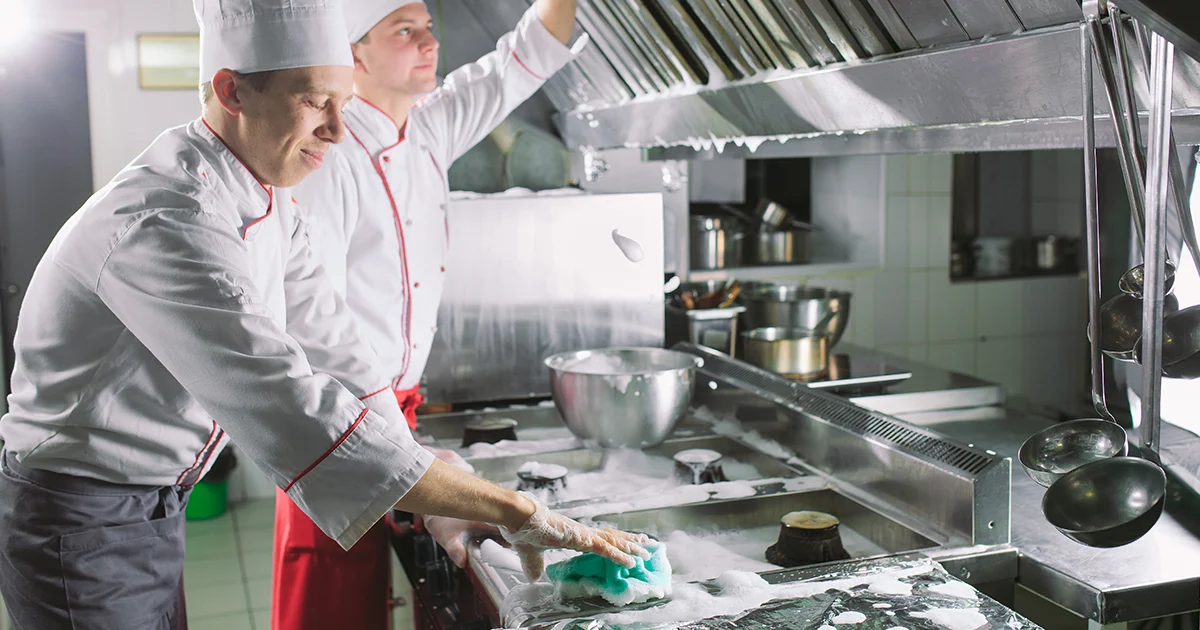
The holidays push commercial kitchens into overdrive. Between seasonal menus, last-minute orders, back-to-back events, and crowded prep spaces, November and December can feel like a whirlwind.
By January, your kitchen has seen everything and probably still has a few things hiding under a fryer or in the back of a refrigerator drawer.
For many foodservice teams, early to mid-January is the first real chance to slow down and look around the kitchen with fresh eyes. It’s an opportunity to step back from the holiday rush and reset your space for the year ahead.
Think of it as your kitchen’s version of a New Year’s resolution: clean, safe, efficient, and ready for whatever comes next.
Below is an annual commercial kitchen cleaning checklist to help you start the year with confidence. Review the checklist ahead of time so your team can plan the work and make sure you have the cleaning products and supplies you need.
Before You Get Started
This guide focuses on deep-cleaning tasks that tend to get pushed aside during the busy holiday season. These tasks support, rather than replace, established daily and weekly cleaning routines such as wiping down prep surfaces, emptying trash, changing fryer oil, and sanitizing slicers.
A deeper reset in January can help your operation get ahead of buildup, safety risks, and unnecessary equipment strain.
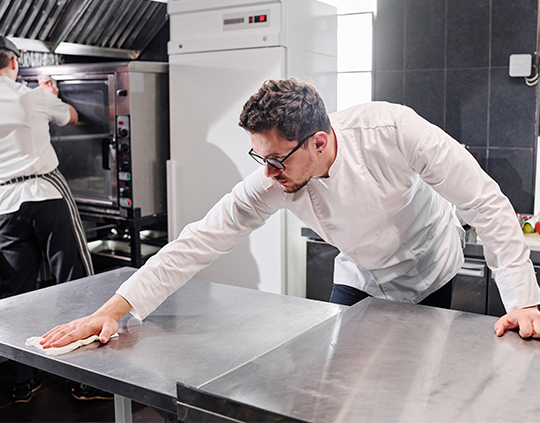
1. Food Prep Areas: Reset the Foundation
This is where the magic, and the mess, happens.
- Clean and sanitize all prep counters, including edges and seams.
- Deep-clean cutting boards.
- Sharpen and sanitize knives; check handles for wear.
- Remove all wall-mounted tools, racks, and rails for cleaning.
- Wipe down shelves and replace torn shelf liners.
- Inspect and replace cracked utensils or containers.
Why it matters:
Cleaner prep zones support safer food handling and a more efficient workflow.
2. Cooking Equipment: Give Your Workhorses a True Reset
The holiday season can be especially demanding on commercial kitchen equipment. The new year is a good opportunity to give these essential tools a thorough reset.
Ovens
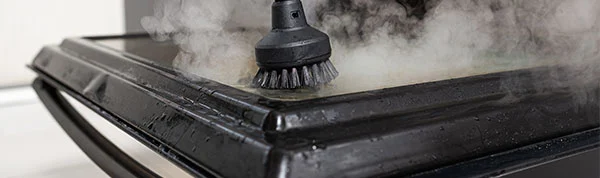
- Remove racks, then soak and scrub them.
- Clean interior walls, doors, and fans.
- Check and recalibrate temperature accuracy as appropriate.
- Polish stainless steel exterior surfaces.
Ranges, Grills + Griddles
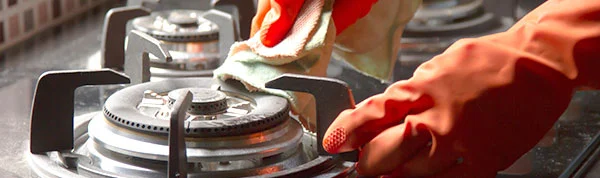
- Degrease cooking surfaces.
- Remove carbon buildup using approved methods.
- Clean burners and pilot assemblies as appropriate.
- Clean and inspect drip trays and grease catchers.
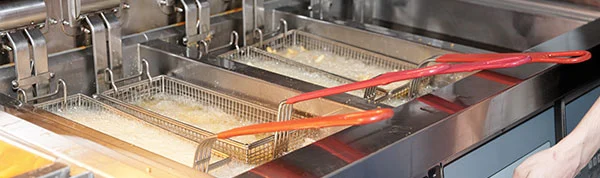
Fryers
- Complete a manufacturer-approved boil-out.
- Clean filtration components.
- Clean exterior and surrounding areas.
- Replace oil when due.
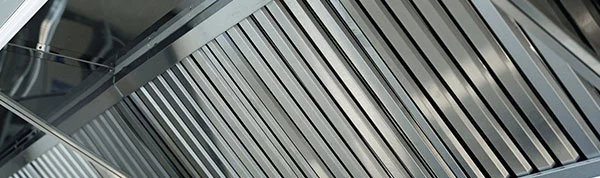
Hood + Ventilation Systems
- Degrease interior and exterior surfaces.
- Replace or deep-clean baffle filters.
- Schedule professional duct cleaning when required.
- Inspect surrounding areas for grease buildup.
Why it matters: Properly maintained equipment can perform more efficiently, last longer, and help reduce potential fire hazards. In open-concept kitchens, clean and polished equipment also contributes to the overall guest experience.
3. Refrigeration + Storage: Out with the Old, In with the Safe
Holiday leftovers, forgotten sauces, and mystery containers: this is their time to go.
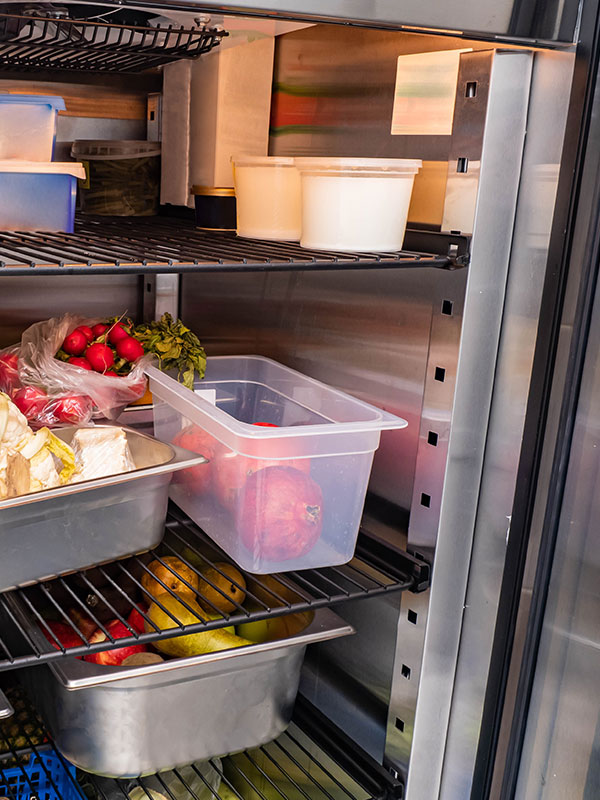
- Empty and sanitize refrigerator and freezer interiors.
- Remove shelves and clean and sanitize them individually.
- Defrost low-temperature freezers if needed.
- Audit cold and dry storage for expired or damaged items.
- Deep-clean dry-storage floors, corners, and pest-monitoring areas.
- Polish stainless steel exterior surfaces.
Why it matters:
Clean, organized storage supports food safety and makes inventory easier to see and manage.
4. Dish Area + Sinks: Refresh the Clean Zone
A clean dish area helps keep the entire kitchen running smoothly.
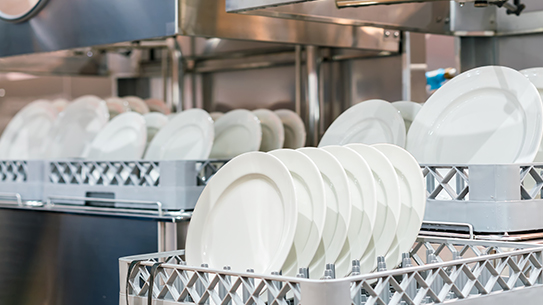
- Delime the dish machine using appropriate descaling chemicals.
- Clean and unclog sprayer heads and nozzles.
- Sanitize handwashing and three-compartment sinks.
- Remove drain covers and clean drains and traps.
- Check for mold or mildew around splash zones.
- Polish stainless steel exterior surfaces.
Why it matters:
Maintaining dishwashing and sink areas helps support clean dishes, clean tools, and a more sanitary kitchen environment.
5. Floors, Walls + Ceilings
Grease splatter and food particles can easily accumulate in areas that receive less attention during routine cleaning.
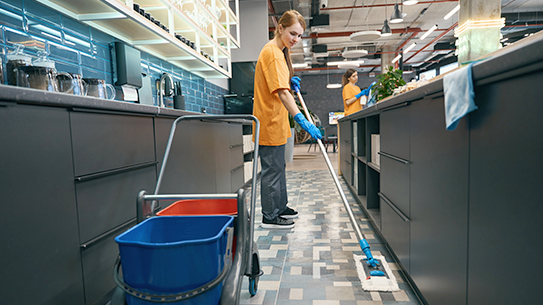
- Use an appropriate commercial degreaser to scrub floors.
- Clean walls, baseboards, corners, and ceiling tiles.
- Move equipment and clean underneath it.
- Inspect grout and repair it if needed.
- Look for signs of water damage near dish or mop areas.
Why it matters: Deep-cleaning these areas can help reduce slip hazards, odors, and long-term damage.
6. Small Appliances + Tools
These items get daily use and deserve a thorough cleaning too.
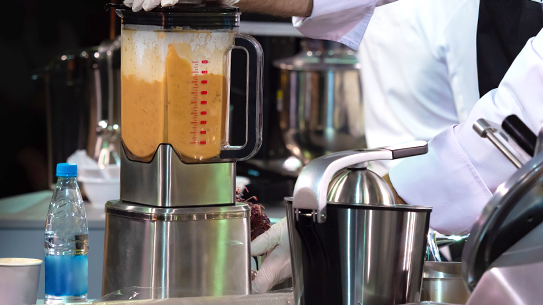
- Disassemble and deep-clean mixers, slicers, and processors according to manufacturer instructions.
- Lubricate moving parts as recommended by the manufacturer.
- Replace worn gaskets, blades, or attachments.
- Sanitize blender jars, lids, and bases.
Why it matters: Regular maintenance can support better performance and help reduce unexpected equipment breakdowns.
7. Waste, Recycling + Environmental Areas
Waste-handling areas can have a significant impact on the cleanliness of your overall operation.
- Remove liners, then scrub and sanitize trash bins.
- Clean recycling and compost containers.
- Sweep and power wash dumpster areas where permitted.
- Check pest-control traps or bait stations according to your facility’s pest-management procedures.
Why it matters: Keeping waste areas clean helps control odors and discourage pests.
8. Safety + Compliance: Start the Year Protected
The beginning of the year is also a good opportunity to review important safety systems and supplies.
- Inspect fire-suppression systems, including hood nozzles, according to applicable inspection and service requirements.
- Review and update SDS documentation.
- Make sure chemical storage is properly labeled and compliant with your facility’s requirements.
- Replace worn PPE such as gloves and aprons.
- Check first-aid supplies.
- Review cleaning logs and prepare tracking materials for the new year.
Why it matters: Regular reviews can help your operation maintain safer working conditions and identify issues before they become bigger problems.
Start the Year Clean and Confident
Your kitchen survived the holiday rush. Now give it the reset it deserves.
A thorough deep clean does more than make your operation look better. It can help protect your team and customers, support food safety, extend equipment life, and create a cleaner, more efficient environment for the year ahead.